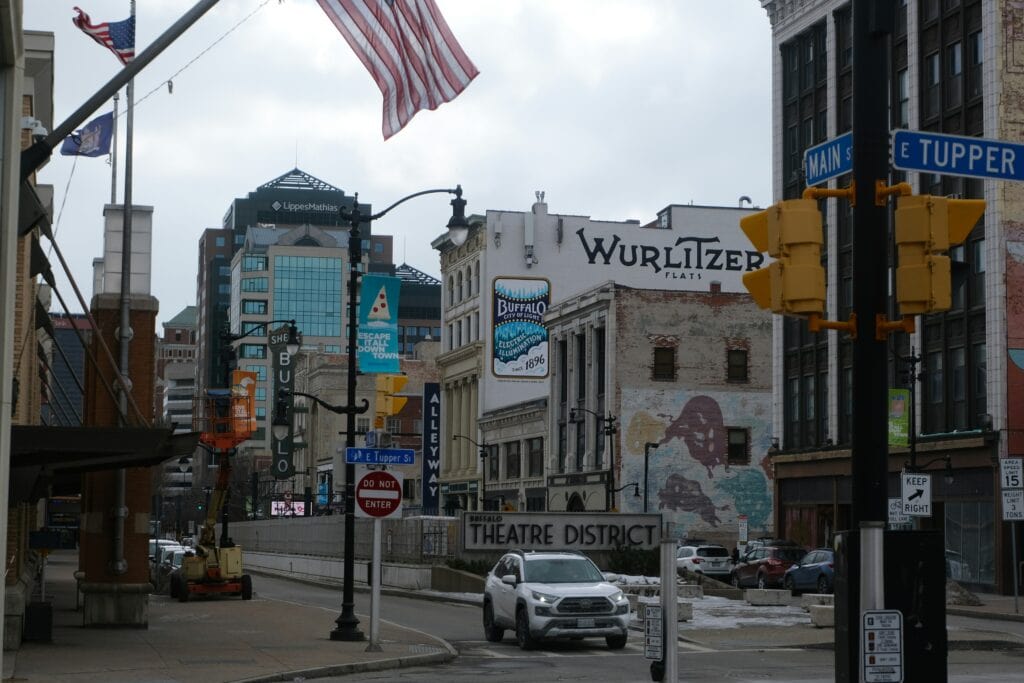

Moving during a Buffalo winter presents unique challenges that catch many people off guard. Between lake effect snow dumps, sub-zero temperatures, and unpredictable weather patterns, winter moves in Western New York require extra planning and preparation. But with the right approach, a winter move can actually be smoother and more affordable than summer relocations.
At Wayfinder Moving Services, we’ve handled countless winter moves throughout Buffalo, Amherst, Williamsville, and all of Western New York. This guide shares everything you need to know about moving during Buffalo’s toughest season.
Table of Contents
Why People Move During Buffalo Winters
Despite the weather challenges, many people find themselves moving between November and March:
- Job relocations that can’t wait for spring. Companies don’t stop hiring because of snow, and career opportunities often require immediate relocation.
- College transitions at University at Buffalo, Buffalo State, and Canisius College often occur in January when spring semester begins.
- Housing market opportunities sometimes favor winter buyers. Sellers are more motivated, competition is lower, and you might secure better deals on homes in desirable neighborhoods.
- Lease endings don’t pause for winter. If your lease ends in January or February, you’re moving regardless of weather.
- Lower moving costs during off-peak season. Professional moving companies typically offer better rates between November and March. If you need to relocate on a tight budget, winter might be your most affordable option.
Understanding Lake Effect Snow
Buffalo’s proximity to Lake Erie creates unique weather conditions that directly impact moving logistics. Lake effect snow occurs when cold air passes over warmer lake water, picking up moisture and dumping heavy snow on downwind communities.
- South Buffalo and southern suburbs like West Seneca, Orchard Park, and Hamburg typically receive the heaviest lake effect snow.
- Northern areas including Amherst, Clarence, and Tonawanda generally receive less lake effect snow but aren’t immune.
- Downtown Buffalo sits in a moderate zone, receiving substantial snow but less than southern suburbs. Urban neighborhoods benefit from faster snow removal on main streets.
- Lake effect bands can be extremely localized. One neighborhood might get 20 inches while an area five miles away receives two inches. This unpredictability makes flexible scheduling essential for winter moves.
Scheduling Your Buffalo Winter Move
Flexibility is your greatest asset when moving during Buffalo winters. Here’s how to approach scheduling:
Monitor Weather Patterns
Start watching weather forecasts two weeks before your planned move date. Buffalo meteorologists become remarkably accurate when predicting major snow events three to five days out. Pay attention to lake effect snow warnings, temperature forecasts, wind conditions, and multi-day snow events.
Build in Buffer Days
Never schedule a winter move with zero flexibility. Avoid moving on your lease end date with no wiggle room, the day before starting a new job, or scheduling closing and moving on the same day.
Our local moving services include scheduling flexibility during winter months. We understand that surprise snowstorms might require postponing by a day or two.
Choose the Right Time of Day
Winter daylight is limited in Buffalo, with sunset around 4:30-5:00 PM between December and February. Start early when temperatures are coldest but you maximize daylight hours. Beginning at 8:00 AM gives you eight hours of daylight for loading, transport, and unloading.
Avoid late afternoon starts that guarantee finishing in darkness and dropping temperatures. Consider weekday moves when streets are plowed and you avoid weekend traffic.
Protecting Your Belongings from Cold and Moisture
Winter weather poses specific risks to your possessions during a move:
Temperature-Sensitive Items
- Electronics including TVs, computers, and gaming systems are vulnerable to extreme cold. Keep electronics in the heated cab when possible. If they ride in the truck bed, wrap them in moving blankets and allow them to gradually return to room temperature before powering them on.
- Wooden furniture expands and contracts with temperature changes. Antiques and solid wood pieces are particularly vulnerable. Professional packing services ensure furniture is properly wrapped and protected against moisture and temperature fluctuations.
- Musical instruments are extremely temperature-sensitive. Guitars can warp, piano strings can snap, and wood can crack in extreme cold. Consider transporting valuable instruments in your personal vehicle.
- Plants rarely survive Buffalo winter moves in moving trucks. Consider gifting plants to friends or leaving them for the next residents.
- Liquids including cleaning supplies and toiletries can freeze and expand, bursting their containers. Pack all liquids in sealed plastic bags, and transport them in your personal vehicle if possible.
Moisture Protection
Snow melts. Boots, clothing, and moving equipment will track moisture into both homes. Protect your belongings:
- Plastic mattress covers are essential. Mattresses act like sponges, and a snow-covered mattress takes days to dry, creating potential mold issues.
- Furniture pads and moving blankets should wrap all upholstered furniture and wood pieces. These materials protect against both bumps and moisture.
- Plastic wrap around drawers and cabinet contents creates a moisture barrier. This keeps clothing, bathroom items, and kitchen contents dry even if snow falls on wrapped furniture.
- Cardboard box protection is critical. Cardboard absorbs moisture quickly, and wet boxes collapse. Keep boxes covered with tarps or plastic sheeting during loading and unloading.
- Floor protection in both homes prevents damage from wet boots and equipment. Lay down cardboard runners or plastic sheeting on high-traffic areas.
Preparing Your Homes for Winter Moving
Both your old home and new home need winter-specific preparation:
Old Home Preparation
- Snow removal is your responsibility even on moving day. Your driveway, walkway, and any paths movers will use must be cleared before the truck arrives.
- Salt or sand all walking surfaces. Ice is far more dangerous than snow. A fallen mover holding your furniture is a disaster you can prevent with ice melt.
- Heat maintenance is essential. Keep the heat on at normal temperature through moving day. Cold homes make everything harder.
- Interior preparation includes laying down floor protection and having towels available for wiping snow off boots.
New Home Preparation
- Pre-move cleanup should happen before furniture arrives. New construction often has debris outside entry doors. Rental properties might not be shoveled.
- Heat must be turned on at least 24 hours before arrival if it’s been vacant. Moving into a 40-degree house in January is miserable.
- Parking preparation should be arranged days before. Some neighborhoods have strict parking regulations. Reserve space for the moving truck near your entrance.
- Floor protection should be laid down before the truck arrives to protect against snow, salt, and dirt.
What to Wear and Have Available
Proper preparation includes personal comfort:
- Layered clothing is essential. Wear moisture-wicking base layer, insulating mid-layer, waterproof outer layer, warm hat, insulated gloves, and waterproof boots with good traction.
- Extra clothing should be packed in your car, not the truck. You’ll get sweaty, then cold, then sweaty again. Having dry clothes available makes the day more comfortable.
- Hot beverages keep everyone warm and motivated. Have a thermos of coffee or hot chocolate available.
- Hand warmers and foot warmers are cheap insurance against cold-related discomfort.
Professional Moving vs. DIY in Winter
DIY moving is substantially harder and riskier during Buffalo winters:
Safety Considerations
- Ice-related injuries are common during winter moves. Professional movers have experience navigating icy conditions while carrying heavy furniture. They wear appropriate footwear and know techniques for safe winter moving.
- Vehicle accidents increase when inexperienced drivers operate large rental trucks in snow. Professional moving companies have experienced drivers who handle winter conditions daily.
- Cold-related health issues including hypothermia and frostbite are real risks during extended outdoor work in Buffalo winters.
Time Efficiency
Experience matters when weather is a factor. Professional movers work faster, meaning less time with doors open, less exposure to cold, and less snow tracked inside. What takes DIY movers eight hours might take professionals four.
When you’re choosing a moving company for winter relocation, prioritize experience with Buffalo winters specifically.
Emergency Backup Plans
Even with perfect planning, Buffalo winter weather can force changes:
- Rescheduling options should be discussed with your moving company in advance. Wayfinder offers flexible rescheduling when severe weather makes moving unsafe.
- Hotel reservations might be necessary if weather makes your move multi-day. Book with a cancellation policy that allows last-minute changes.
- Storage solutions provide flexibility if you must vacate your old home but can’t access your new home due to weather. Our storage services offer climate-controlled options when delays require temporary storage.
- Communication plans with all parties—landlords, real estate agents, utilities, moving company—should be established before moving day.
Buffalo Neighborhoods: Winter Moving Considerations
Different Buffalo area neighborhoods present unique winter moving challenges:
- South Buffalo and Orchard Park receive the heaviest lake effect snow. Expect potential weather delays.
- Allentown and Delaware District feature narrow streets that become even tighter with snow banks. Parking is challenging after major snowstorms.
- Amherst and Clarence have suburban streets that are plowed relatively quickly, making winter moves more manageable. Check out our guides for moving to Amherst and living in Clarence.
- Williamsville features a mix of village streets and suburban roads. Village areas can be tight, while suburban sections offer easier access.
- Cheektowaga and West Seneca are residential suburbs with good access in most areas. Our Cheektowaga movers handle winter relocations throughout this area regularly.
Cost Considerations for Winter Moves
Winter moving in Buffalo often offers financial advantages:
- Lower rates during off-peak season can save 15-30% compared to summer prices. Professional moving companies have less demand between November and March.
- Better availability means you get your preferred dates and times. Summer moves often require booking months in advance.
- Housing market savings can offset moving costs. Sellers are more motivated in winter.
- Utility costs are higher when moving in winter. Budget an extra amount for heating during the transition period.
For detailed information, read our guide on Buffalo cost of living.
When to Avoid Moving: Dangerous Conditions
Some conditions make moving genuinely dangerous:
- Blizzard warnings mean don’t move. When visibility drops below a quarter mile and winds exceed 35 mph, professional movers won’t work.
- Ice storms create hazardous conditions where even walking is dangerous.
- Extreme cold below zero poses health risks during extended outdoor work.
- Ongoing heavy snow at rates exceeding 2 inches per hour makes loading and unloading potentially unsafe.
- Travel bans issued by Erie County mean roads are closed to non-emergency vehicles, including moving trucks.
Final Tips for Successful Buffalo Winter Moves
- Start planning early because winter adds complexity. What requires two weeks of planning in summer might need four weeks in winter.
- Stay flexible because rigid schedules and Buffalo winters don’t mix. Building in buffer days reduces stress when weather doesn’t cooperate.
- Dress appropriately for cold weather work. You’ll be more comfortable, efficient, and safe.
- Hire professionals who know Buffalo winters. Wayfinder Moving Services has extensive experience with Western New York winter conditions throughout Buffalo, Amherst, Williamsville, Clarence, Cheektowaga, West Seneca, Orchard Park, and all surrounding communities.
- Protect your belongings with proper packing and moisture barriers. Professional packing services provide the extra protection winter moves require. Check out our guides on how to pack fragile items and how to properly pack furniture.
Moving during Buffalo winters is challenging but entirely manageable with proper planning and professional help. Thousands of successful winter moves happen every year in Western New York. With the right preparation, your winter relocation can be smooth and efficient.
Ready to plan your Buffalo winter move? Contact Wayfinder Moving Services for a free quote. Our experienced team handles winter moves throughout Western New York year-round.